


If you’re thinking about selling your home in Venice Beach this year, you’ve probably checked your home’s “Zestimate” or an automated valuation from a real estate app. It’s fast, easy, and provides a decent ballpark figure. However, in a market as unique and volatile as Venice, where 2025 median prices hit $2.3 million while some homes continue to sit with no offers, relying solely on AI can leave hundreds of thousands of dollars on the table.
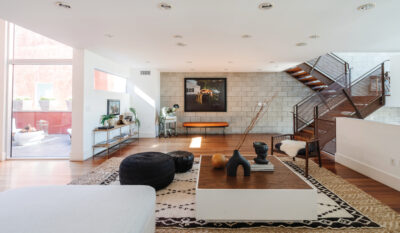

While AI is great at crunching public data, it cannot walk through your house. It cannot feel the ocean breeze or understand the specific vibe of a street. And it cannot account for off-market transactions, architectural pedigree, historical significance, or recent updates.
If you’re considering selling your home and want to know why working with a local agent really matters (especially today!) when positioning and pricing your home, this blog is for you. Read on for the top 5 crucial things AI often misses about Venice home prices.

1. The “Walk Street” Premium
AI sees a lot size and square footage, but it struggles to differentiate a home on a busy street from one on a, quiet, lush, pedestrian-only “Walk Street” (like Amoroso Place or Nowita Place). These homes carry a significant, almost intangible premium due to their peaceful, walk-to-the-beach lifestyle. AI often treats them as having “limited street access,” potentially undervaluing these gems.
2. The “West-of-Pacific” vs. East-of-Lincoln Gap
In Venice, a 5-minute walk can change your property value by hundreds of thousands of dollars. Homes West of Lincoln Boulevard (near the beach and popular shopping/dining on Abbot Kinney) command a vastly higher price per square foot than those East of Lincoln Boulevard (where it is quieter and more residential). AI often fails to properly segment these distinct micro-markets, averaging them together and giving you a skewed figure.

3. Unique Architectural Features
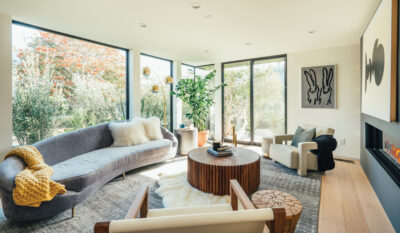
Venice features a variety of architectural styles, from historic bungalows to contemporary designs. AI is not able to fully capture the value buyers place on unique or well-maintained architectural details that contribute to a home’s character and desirability.

4. Parking and Access
In areas like Venice with varying street layouts and parking availability, a property’s specific parking situation or ease of access can significantly impact its value. AI, relying on basic property data, may not adequately factor in these on-the-ground details.

5. Hyper-Local Amenities
While AI can recognize a property’s zip code, it might not fully appreciate the value added by being within walking distance to popular local amenities, specific parks, or unique neighborhood hotspots that are highly sought after by buyers in a particular micro-market.

The Verdict: AI vs. Human Expertise
AI offers a valuable starting point for home valuation by processing vast amounts of data. However, in a nuanced market, a detailed understanding of specific property features, views, neighborhood characteristics, and current market dynamics often requires the insight of a local real estate professional.
Using an automated valuation as a guide and combining it with the knowledge of a human expert can provide a more comprehensive assessment of a home’s value. If you’d like to know what your property could sell for in today’s market, I’d be happy to provide you with a tailored property analysis based on my years of experience selling record-breaking, unique properties in Venice. Give me a call at 323-422-7147.